

Texas orders broad probe into birth tourism and maternity care advertising
Texas has ordered a broad investigation into suspected birth tourism, targeting healthcare providers and maternity package advertising. The move could increase scrutiny on hospitals, doctors and pregnant visitor visa applicants.

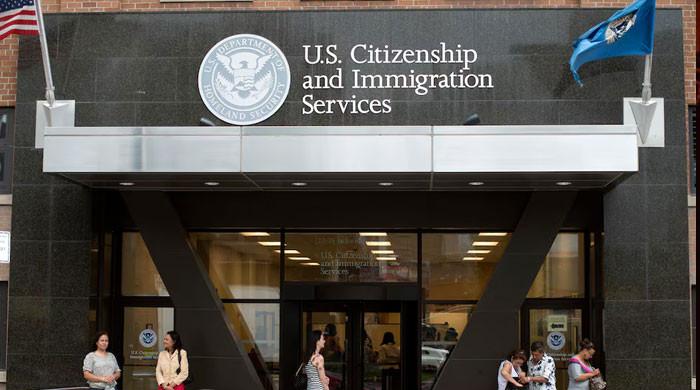
DALLAS: Texas has stepped up action against what state officials describe as birth tourism, with Governor Greg Abbott signing Executive Order GA-57 to launch a wide-ranging investigation into healthcare providers and organisations suspected of helping foreign nationals travel to the state to give birth so their children obtain US citizenship.
Announcing the measure, Abbott said the state would not allow what it sees as attempts to take advantage of the US immigration system. He said American citizenship should not be treated as something that can be purchased.
American citizenship is not for sale
The order empowers six state agencies to examine suspected birth tourism activity in the healthcare sector, including the Texas Department of State Health Services, the Health and Human Services Commission, the Texas Medical Board and the Texas Board of Nursing. It also directs state regulators to work with federal authorities if they identify possible breaches of federal law. Penalties could include suspension or cancellation of licences, exclusion from state contracts and other administrative action.
Hospitals and doctors may face greater scrutiny
The move follows an earlier directive by Abbott this month asking the Health and Human Services Commission to investigate hospitals promoting maternity packages to foreign nationals. State officials later referred two Texas hospitals to the attorney general after promotional material aimed at women in Mexico advertised childbirth packages near the US-Mexico border, including prices of $3,950 for natural delivery and $5,525 for Caesarean sections.
The order is expected to affect hospitals, doctors and immigrant communities across Texas, particularly visitors from Pakistan, India, Bangladesh and other South Asian countries travelling on visitor visas. Members of the Pakistani community in Dallas and Houston told Jang/Geo they knew families who had planned such trips for childbirth but were now reconsidering after the governor’s announcement.
Several Pakistani and Indian obstetricians and gynaecologists working in Dallas, Fort Worth and Houston told Jang/Geo they were worried about how the policy would work in practice. They said refusing treatment could create medical liability, while treating patients who were later suspected of involvement in birth tourism could also bring regulatory scrutiny.
Houston immigration attorney Gordon Quan said healthcare professionals could come under increasing pressure to check patients’ immigration circumstances before treatment, though he stressed that pregnant women are still entitled to necessary medical care regardless of immigration status. Legal experts said providers should review their advertising, strengthen compliance systems, train staff for the changed regulatory environment and keep detailed records in case of investigations. Some hospitals previously criticised for marketing maternity services to foreign nationals have already removed those materials, saying they do not support unlawful activity.
Legal and constitutional context
The Texas action comes weeks after the US Supreme Court ended its 2025-26 term without altering the constitutional principle of birthright citizenship under the Fourteenth Amendment, effectively blocking President Donald Trump from limiting automatic citizenship for children born in the United States.
Austin immigration lawyer Kate Lincoln-Goldfinch said the Texas order appeared to be an attempt to regulate conduct around a practice that remains constitutionally protected under federal law. She said the state seemed to be using other enforcement tools after the Supreme Court reaffirmed birthright citizenship. Lincoln-Goldfinch also said organised birth tourism is relatively rare, noting that women in advanced stages of pregnancy are often denied boarding by airlines or stopped at US ports of entry, and that visible pregnancies usually attract scrutiny from border officials before childbirth takes place.
According to the Migration Policy Institute, fewer than 30,000 of the more than 3.5 million births recorded each year in the United States involve women travelling on tourist visas, accounting for well under one percent of all births nationwide.
Legal experts nevertheless said the new measures could mean closer scrutiny for pregnant applicants seeking visitor visas. Under existing State Department policy, US consular officers may deny visitor visas if they believe the primary purpose of travel is to give birth in the United States. Immigration lawyers in Dallas told Jang/Geo that pregnant applicants should obtain legal advice before applying and avoid making inaccurate statements during visa interviews, warning that refusals or allegations of misrepresentation could affect future travel. They added that people who previously gave birth in the United States while visiting might face extra questioning during later visa renewals.
Civil rights advocates have argued that birth tourism accounts for only a small share of births in the United States and warned that tougher enforcement could deter immigrants from seeking timely medical treatment. They also pointed out that federal law still requires hospitals to provide emergency care regardless of immigration status and stressed that pregnancy by itself does not bar someone from travelling to the United States as a tourist.
Comments
No comments yet. Be the first to join the discussion!


