

June 28, 2026
FBR looks to revamp performance evaluation system
The FBR is considering a shift from monthly tax targets to an annual performance evaluation system for field offices. The proposal is part of a broader tax administration overhaul following changes introduced through the Finance Act 2026-27.

June 28, 2026
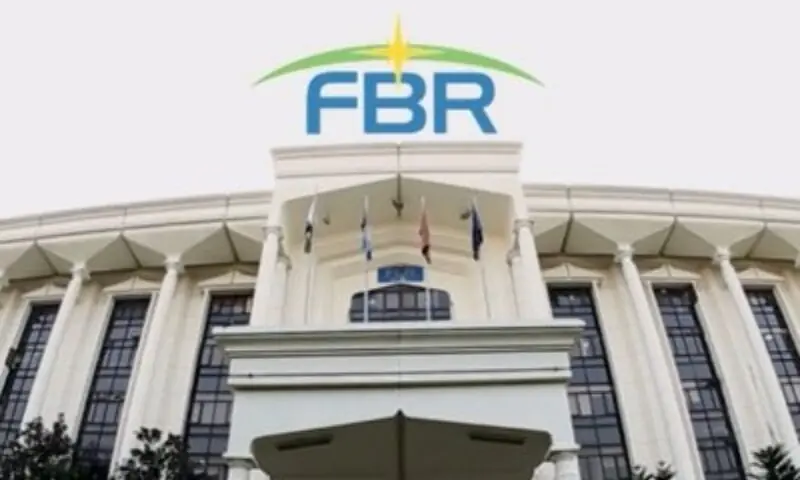
ISLAMABAD: The Federal Board of Revenue is considering replacing monthly tax collection targets with a fiscal-year-based system for evaluating its field formations, in what would mark a significant change in how tax performance is assessed.
According to informed sources, the proposal is being discussed as part of a wider restructuring of tax administration after broad changes introduced through the Finance Act 2026-27. The planned changes are aimed at reducing pressure on tax officials to pursue short-term collection goals and instead focus on annual revenue outcomes.
The restructuring also seeks to reshape tax enforcement by cutting down human interaction and shifting assessment and audit functions to a centralised, technology-driven system operated from Islamabad. Under this arrangement, field offices would remain mainly responsible for revenue collection.
The proposal reflects growing recognition within the tax administration that monthly collection targets can distort performance reviews because revenue flows are affected by factors beyond the control of field officers. These include refunds, import cycles, advance tax payments and court rulings.
Broader administrative changes
The move comes alongside a broader redistribution of responsibilities within the federal government. Tax policy formulation has already been separated from the FBR and transferred to the Tax Policy Office in the Ministry of Finance, while tariff policy has been placed under the Tariff Policy Board in the Ministry of Commerce. That leaves enforcement and revenue collection as the FBR’s main functions.
Officials said the proposal has emerged amid renewed scrutiny of the longstanding practice of judging the FBR against monthly revenue targets. They argued that these targets are tied not only to expected collections but also to the government’s financing needs and commitments under the International Monetary Fund programme.
According to tax officials, annual revenue targets approved by parliament are shaped by the government’s fiscal requirements rather than by economic projections alone. They also noted that headline targets are often revised during the fiscal year after consultations with the IMF, which, in their view, makes them aspirational benchmarks rather than exact forecasts.
International benchmarks cited
To support the proposed change, the FBR has relied on international examples and global standards that do not treat monthly target achievement as a measure of tax administration performance.
One example cited in the proposal is India’s Central Board of Direct Taxes, which works on an annual collection cycle. In that system, regional tax formations are given yearly revenue targets, while monthly and fortnightly figures are compiled only for internal monitoring and management. Public assessment is based on annual performance rather than monthly target attainment.
The second benchmark referenced by the FBR is the Organisation for Economic Cooperation and Development’s International Survey on Revenue Administration, which covers 58 advanced and emerging economies accounting for about 90pc of global GDP. The survey evaluates tax administrations through indicators including cost of collection, on-time filing rates, tax arrears as a share of net revenue, electronic filing penetration and dispute resolution performance.
According to the proposal, the OECD framework does not include any indicator based on meeting monthly revenue targets, reflecting the view that monthly collections can be influenced by refund payments, import cycles, advance tax instalments, commodity prices and litigation outcomes. Officials backing the shift said tax administrations around the world generally use annual evaluation, while monthly figures serve mainly as management tools.
Recent tax performance and fresh target
Despite missing headline targets in recent years, the FBR collected Rs11.74 trillion in FY25, an increase of 26.3pc from Rs9.29tr a year earlier. Officials said the tax-to-GDP ratio rose from about 8.9pc to 10.6pc in FY2025, up by roughly 1.5 percentage points in a single year, compared with a decade-long average of around 8.7pc.
Over the same period, the number of tax return filers increased from 4.5 million to more than 7.2 million, according to officials. The latest proposal comes as the government has set a fresh revenue target of Rs15.26tr for FY2026-27.
Revenue experts cautioned that dependence on ambitious targets can increase pressure on existing taxpayers through enforcement drives at the end of the year while doing little to address structural weaknesses in the budget-making process. They said attention should move away from monthly shortfalls toward whether Pakistan is making sustained progress in broadening the tax base and improving its capacity to finance public spending through domestic revenues.
Under the proposed framework, sources said, tax officers would be evaluated on wider indicators including tax effort, compliance and annual revenue growth rather than month-to-month fluctuations in collections.
0 Comments
No comments yet. Be the first to join the discussion!


