Inflation pressures test central bank independence as political scrutiny grows
Central bank independence is coming under fresh pressure as policymakers confront rising inflation and political demands. Officials warn that interference could undermine trust and make inflation harder to control.

WASHINGTON: Central bank independence is facing renewed strain as policymakers pursue unpopular steps to contain rising prices, with current and former officials warning that political intervention could weaken credibility and worsen the challenge.
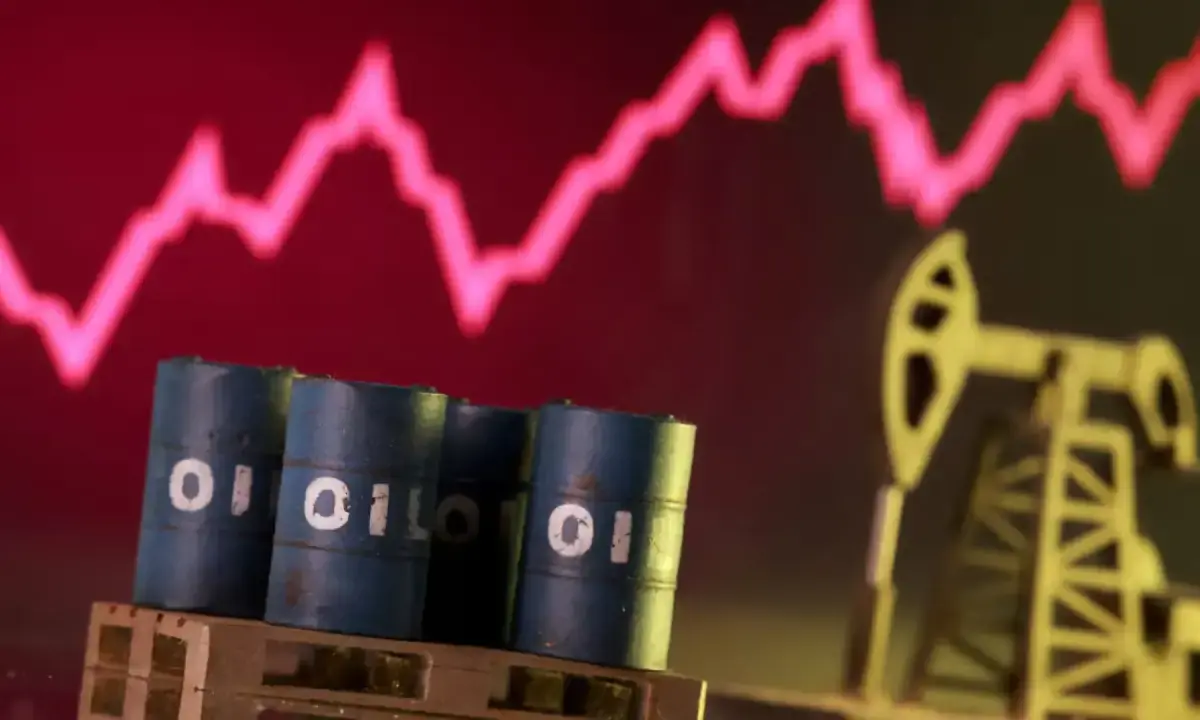
Inflation has accelerated globally after the US-Iran war pushed up oil prices, forcing central banks either to raise interest rates or postpone cuts they had previously indicated, in an effort to prevent a one-off shock from becoming embedded.
Speaking at a conference on Saturday, Helge Berger, Deputy Director at the IMF's European Department, said the task becomes far more difficult when inflation is high and policymakers are required to adopt measures that are politically unpopular.
"It's easy to be an independent central bank member when inflation is low.. and it's much more complicated when inflation is up and you have to do things that people do not like"
Berger described the present phase as an intense struggle over policy choices. "It's hand to hand combat. We need to get the current situation right."
Political pressure and policy constraints
The most visible example of pressure on a central bank has come from US President Donald Trump's repeated demands for lower interest rates. Policymakers said political pressure has been widespread elsewhere as well, though often in less overt ways.
In some countries, central banks are being asked to shape monetary policy around industrial objectives. In others, they are under pressure to hand over profits to government budgets, while some institutions are operating under mandates that pull in different directions.
High levels of public debt were also identified as an effective limit on central bank independence. Heavy debt burdens reduce the room available for tightening monetary policy because higher interest rates, normally the main response to inflation, can heighten the risk of a debt crisis.
Credibility concerns
Officials cautioned that if financial markets begin to doubt whether a central bank is acting independently to bring inflation under control, investors may start pricing in the expectation of policy accommodation. That, in turn, can make it more difficult to slow price growth.
Current and former officials said that preserving trust in monetary authorities is critical at a time when inflation is once again testing institutions that are expected to act without political interference.
Comments
No comments yet. Be the first to join the discussion!