Solar net metering eases daytime outages amid 3,400MW power shortfall
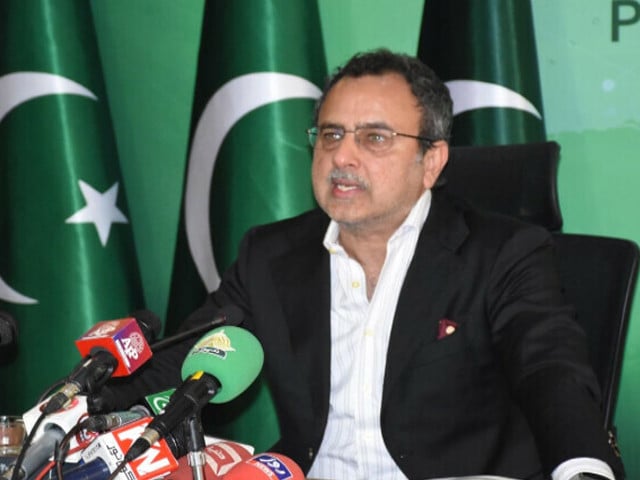
Power Minister Awais Khan Leghari said solar net metering has helped Pakistan avoid daytime load shedding despite a 3,400MW shortfall. He attributed the crisis to reduced LNG and hydropower generation and said outages were mainly being imposed during peak evening hours.

ISLAMABAD: Power Division Minister Awais Ahmed Khan Leghari on Thursday said Pakistan’s ongoing electricity crisis has been significantly reshaped by rising solar net metering, even as fuel shortages and shifting generation patterns continue to strain the national grid.
According to the power division, the expansion of solar net metering has reduced pressure on the system during daylight hours, effectively preventing daytime load shedding, while intensifying reliance on other sources during evening peak demand. Officials estimate that around 8,000MW of installed net metering capacity is now feeding into the system during the day.
The minister said that due to current supply constraints, the country is facing a power shortfall of around 3,400MW, forcing distribution companies to manage load shedding during peak hours. He added that roughly one hour of load management is required for every 500–600MW of shortfall, which translates into six to seven hours of outages under present conditions.
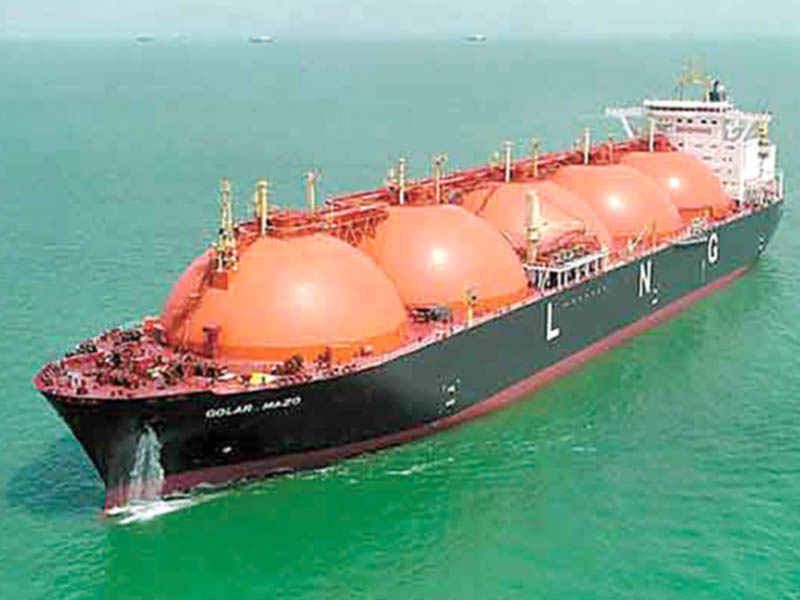
He attributed the worsening situation to reduced LNG-based and hydropower generation, linking fuel disruptions to regional instability and supply chain issues affecting gas availability. He said LNG supplies to power plants have been severely curtailed, with only a fraction of the installed LNG-based capacity currently operational, and some plants running on alternative fuels.
Hydropower output has also declined sharply due to lower water releases from major reservoirs including Tarbela and Mangla, with generation dropping from about 3,200MW last year to around 1,671MW this April. Officials said water availability is being prioritised for agricultural use rather than electricity generation.
To compensate, furnace oil-based power plants are being run at full capacity despite high costs, while scheduled maintenance at nuclear facilities has reportedly been delayed to sustain supply. However, these measures have not been sufficient to fully bridge the gap between demand and supply.
The minister said electricity demand has fluctuated sharply in April, ranging from around 9,000MW to nearly 20,000MW, with peak demand now shifting to nighttime hours due to solar generation during the day. He added that daytime demand remains lower, allowing authorities to avoid scheduled outages during those hours.
Leghari also apologised for the inconvenience caused by prolonged evening outages, stating that the government is managing distribution as fairly as possible across urban, rural, and industrial consumers.
He further noted that regions under HESCO and K-Electric are experiencing relatively fewer disruptions due to better local supply conditions.
Officials said that while Pakistan’s installed generation capacity stands at around 46,000MW, actual available output is significantly lower due to fuel constraints, water shortages, and operational limitations across the system.
The minister said that despite challenges, the system has so far avoided daytime load shedding due to increased solar contribution, but acknowledged that evening shortages remain a persistent challenge as demand peaks and alternative fuels become more expensive and constrained.
Comments
No comments yet. Be the first to join the discussion!