PM Shehbaz pushes food exports to Gulf, orders faster ports, flights
Prime Minister Shehbaz Sharif has directed the fast-tracking of food exports to Gulf nations, emphasizing improved port operations and expanded flight services to meet regional demand.
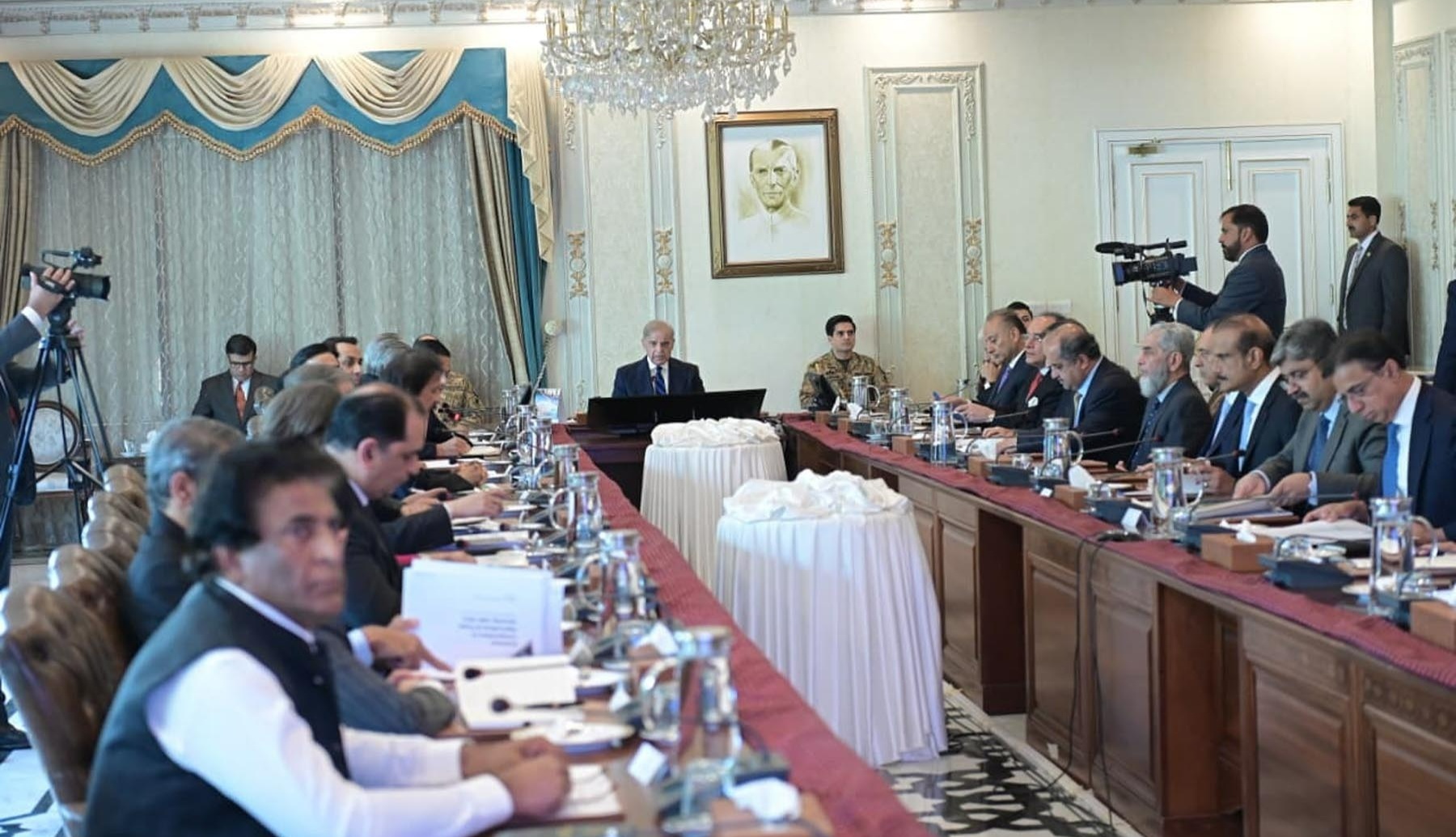
ISLAMABAD: Prime Minister Shehbaz Sharif on Wednesday directed authorities to fast-track exports of surplus food items to Gulf countries while ensuring uninterrupted domestic supply, as Pakistan positions itself to respond to shifting regional demand amid ongoing tensions in the Middle East.
Chairing a high-level review meeting, the premier also called for a comprehensive plan to expand flight operations and improve port efficiency, stressing the need for swift and coordinated action to capitalise on emerging export opportunities.
Officials informed the meeting that a special committee had approved around 40 food items for export, including rice, edible oil, sugar, meat, poultry, powdered milk, dairy products, fruits, and vegetables. These exports will be facilitated through both sea and air routes, with the government waiving additional charges on shipments of perishable goods to boost competitiveness in Gulf markets.
The meeting was told that a dedicated database of exporters dealing with Gulf countries has been compiled, while business-to-business engagements and webinars are ongoing to strengthen trade linkages and ensure timely supply based on demand.
Expressing satisfaction over the progress, the prime minister emphasised the importance of maintaining close coordination with Gulf partners regarding their food security requirements. He noted that disruptions in global supply chains due to the regional crisis had created both challenges and opportunities for Pakistan.
“It is our responsibility to support friendly countries while safeguarding our own food security,” he said, directing authorities to closely monitor domestic demand and supply to prevent shortages or price spikes.
The premier further instructed that flight operations at key hubs — including Karachi and Gwadar — be expanded to handle increased cargo volumes, while port operations be streamlined to minimise delays. He underscored that any bureaucratic slowdown in decision-making would not be tolerated and warned of strict accountability.
Officials briefed the meeting that Port Qasim and Karachi ports remained fully operational even during Eid ul Fitr holidays, ensuring continuity in trade. Measures such as amendments to customs rules for off-dock transshipment, up to 60 per cent reduction in transport charges, and fully functional export facilitation desks have already been implemented to enhance capacity.
Additionally, priority berthing is being given to oil tankers carrying crude, reflecting a broader strategy to safeguard both food and energy supply chains.
The meeting reinforced the government’s intent to leverage Pakistan’s agricultural surplus and logistical infrastructure to strengthen economic resilience while supporting regional partners during a period of heightened uncertainty.

The writer is Head of News at Pakistan Today. He has a special focus on current affairs, regional and global connectivity, and counterterrorism. He tweets as @mian_abrar and also can be reached at [email protected]
View all articles →Comments
No comments yet. Be the first to join the discussion!