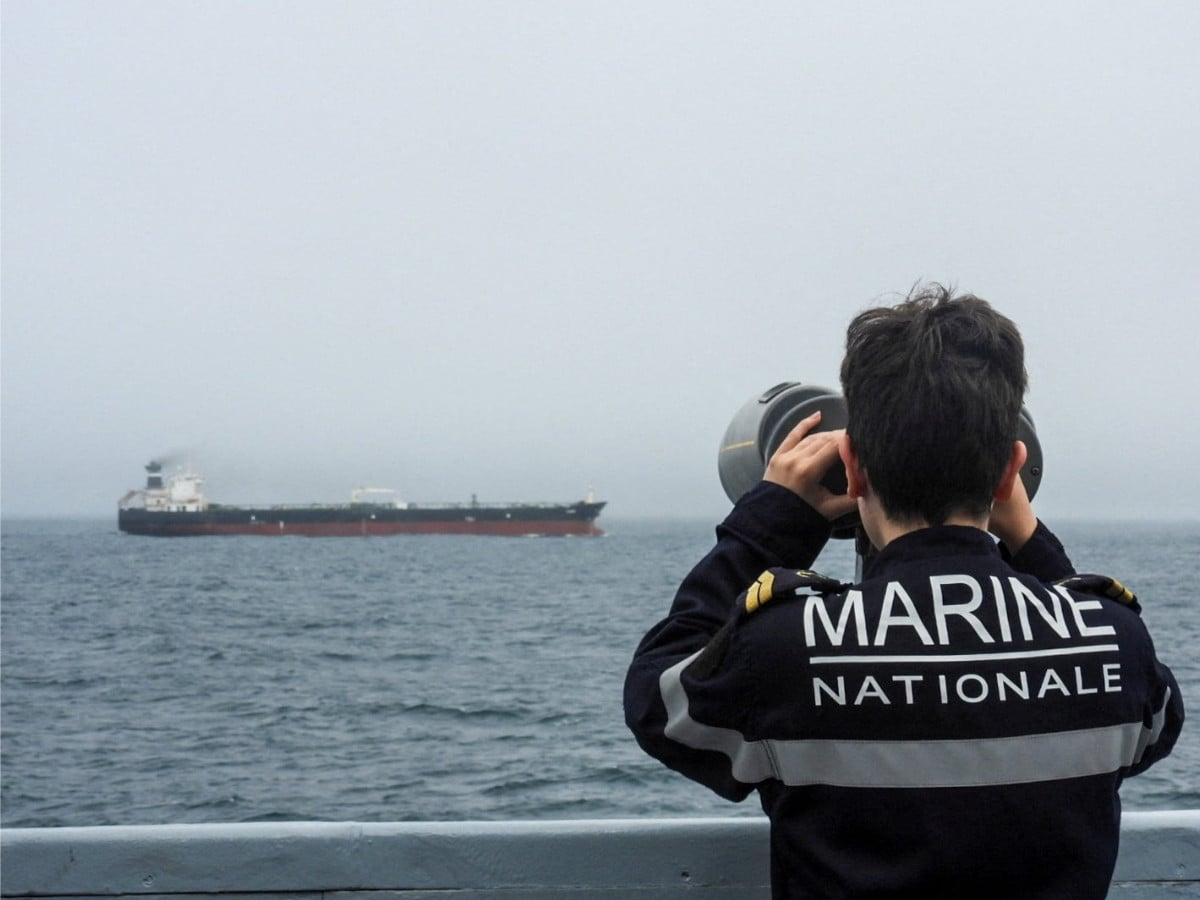
Running app reveals location of French aircraft carrier in Mediterranean
A French navy sailor's use of a fitness tracking app to monitor his jogging inadvertently revealed the exact location of France's flagship aircraft carrier, the FS Charles de Gaulle, in the Mediterranean Sea.

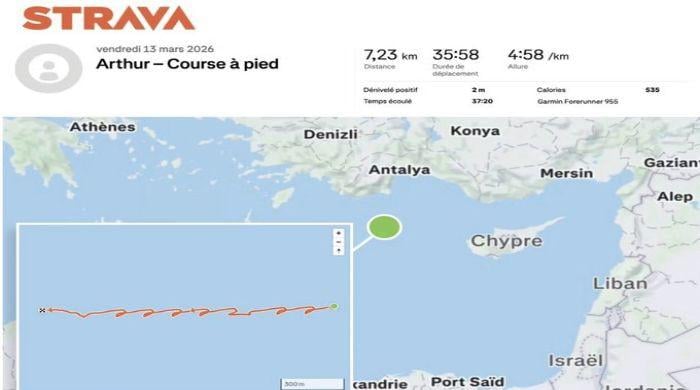
PARIS: A member of the French navy inadvertently disclosed the precise location of France's flagship aircraft carrier, the FS Charles de Gaulle, by using a fitness tracking application to monitor his jogging performance while on board the vessel in the Mediterranean Sea.
The sailor's use of a running app broadcast the exact position of the aircraft carrier, raising significant security concerns about the use of personal fitness tracking technology aboard military assets.
Fitness apps and military security risks
The incident highlights a recurring challenge faced by armed forces around the world — the potential for commercially available fitness and location-tracking applications to compromise the positions of sensitive military installations and assets. Such apps typically use GPS data to record a user's exercise routes, which can then be shared publicly or accessed through the platform's features.
In this case, the jogging data recorded by the French sailor effectively pinpointed the location of the FS Charles de Gaulle, one of France's most strategically important naval assets, while it was operating in the Mediterranean.
FS Charles de Gaulle: France's flagship carrier
The FS Charles de Gaulle serves as the flagship of the French Navy and is a key element of France's naval power projection capability. The nuclear-powered aircraft carrier regularly undertakes missions in various theatres, and the confidentiality of its movements is considered critical to national security.
The disclosure of the carrier's position through a personal fitness application underscores the tension between the everyday digital habits of military personnel and the operational security requirements of modern naval operations.
Growing concern over digital footprints
This is not the first time that fitness tracking applications have posed security risks for military forces globally. In recent years, several incidents involving the exposure of military base locations and troop movements through similar apps have prompted defence establishments to review and tighten policies governing the use of personal electronic devices and location-sharing applications by service members.
The French incident is likely to reignite the debate over how militaries can effectively manage the digital footprints of their personnel without entirely restricting access to personal technology, a balance that has proven difficult to strike in the age of ubiquitous smartphone use and connected devices.
Comments
No comments yet. Be the first to join the discussion!