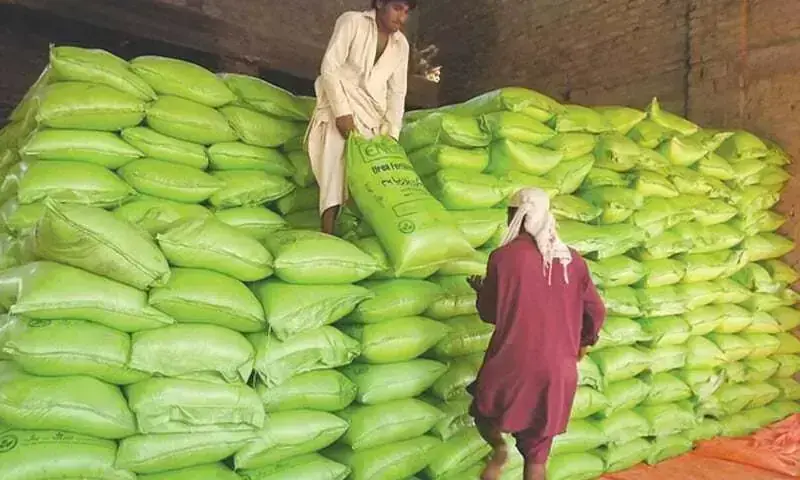
No fertiliser shortage expected for Rabi, Kharif crops despite Middle East tensions
The Ministry of National Food Security says Pakistan's fertiliser sector shows strong supply-demand alignment, with production meeting 90-95% of urea demand and stock buffers ensuring no shortages for Rabi 2025-26 and Kharif 2026.

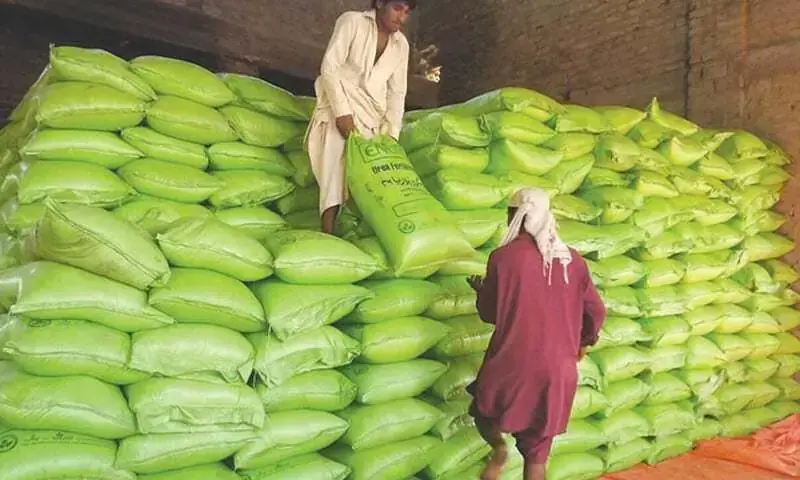
ISLAMABAD: The government has said it does not anticipate any shortage of fertilisers for the ongoing Rabi season and the upcoming Kharif crops, even as the escalation in the Middle East continues to pose risks to global energy and agrifood systems.
According to a situation report released by the Ministry of National Food Security and Research on Friday, Pakistan's fertiliser sector has demonstrated strong supply-demand alignment, with domestic production meeting 90 to 95 per cent of total urea demand. The remaining gap is bridged through imports.
Steady growth in fertiliser consumption
The ministry's report noted that fertiliser consumption has been growing at a rate of 2 to 5 per cent annually, reflecting increasing agricultural productivity across the country. With stock buffers ranging between 5 to 10 per cent of seasonal demand, both Rabi 2025–26 and Kharif 2026 are expected to remain free of shortages.
Gas supply critical for stability
The situation report highlighted that continued gas supply of 700 to 800 million cubic feet per day (mmcfd) will remain critical to sustaining stability in the fertiliser sector. The ministry emphasised that maintaining this level of gas allocation to fertiliser manufacturers is essential for ensuring uninterrupted domestic production.
The report, quoting the latest available data on fertilisers, described the overall situation as stable and growing, with a well-managed supply chain supporting the agricultural sector's needs.
Middle East risks acknowledged
While the ministry acknowledged the risks posed by the ongoing Middle East escalation to global energy and agrifood systems, it expressed confidence that Pakistan's fertiliser supply chain is sufficiently robust to weather potential disruptions. The country's high level of domestic production capacity, combined with maintained stock buffers, provides a cushion against external shocks.
The assurance from the Ministry of National Food Security and Research comes at a time when global supply chains remain under pressure due to geopolitical tensions. Pakistan's agricultural sector, which is heavily dependent on timely availability of fertilisers, particularly urea, relies on a combination of domestic manufacturing and strategic imports to meet seasonal demand.
The ministry's situation report underscored the importance of proactive planning and sustained gas supply to the fertiliser industry as key factors in ensuring that farmers across the country have access to adequate fertiliser supplies during both the Rabi and Kharif cropping seasons.
Comments
No comments yet. Be the first to join the discussion!