

Bureaucratic resistance stalls merger of state-owned power generation companies
Bureaucratic resistance within the Power Division is delaying the merger of redundant state-owned power generation companies into NPPMC, despite directives from the National Task Force on Energy and the Power Minister.

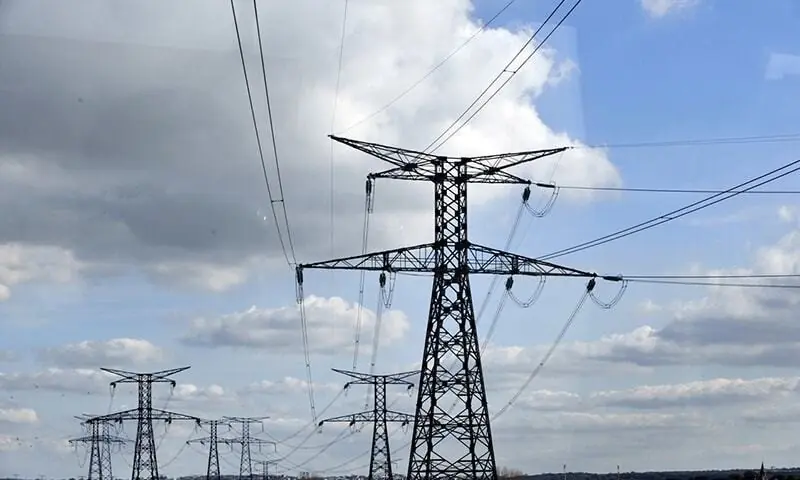
ISLAMABAD: Efforts to merge several oil-based, state-owned power generation companies into the National Power Parks Management Company (NPPMC) have encountered significant resistance from the bureaucracy within the Power Division and its affiliated entities, despite clear directives from the National Task Force on Energy and Power Minister Sardar Awais Khan Leghari.
According to informed sources, four government-owned generation companies, known as Gencos 1 to 4, have become redundant following the auction or closure of their aging power plants. These plants, most of which were disposed of as scrap, were shut down as part of broader tariff reduction initiatives. These efforts also included renegotiations with independent power producers (IPPs), which reportedly resulted in savings of over Rs4 trillion over the remaining operational life of all IPPs and government-owned power plants.
As a temporary measure, hundreds of employees—including officers and engineers—from these now-redundant generation companies were transferred to various Distribution Companies (Discos) until March 31. This move was intended to manage the workforce while the merger process was being finalized.
The reform process was initiated following a series of meetings led by the National Task Force on Energy, chaired by Lt Gen Zafar. The objective was to streamline operations and reduce costs by consolidating the redundant generation companies under the NPPMC. However, the plan has faced opposition from within the Power Division and its subordinate organizations, creating a bureaucratic roadblock that has delayed implementation.
The merger is seen as a critical step in the ongoing restructuring of Pakistan's power sector, aimed at enhancing efficiency and reducing financial burdens on the national exchequer. The resistance from the bureaucratic setup, however, has slowed the progress of these reforms, leaving the future of the affected employees and the overall restructuring process uncertain.
Comments
No comments yet. Be the first to join the discussion!


