

Rahul Gandhi questions Modi government over US 'permission' for Russian oil and Epstein link allegations
Rahul Gandhi criticized the Modi government in parliament, questioning US 'permission' for Russian oil purchases and raising allegations about a minister's links to Jeffrey Epstein, sparking uproar in the Lok Sabha.

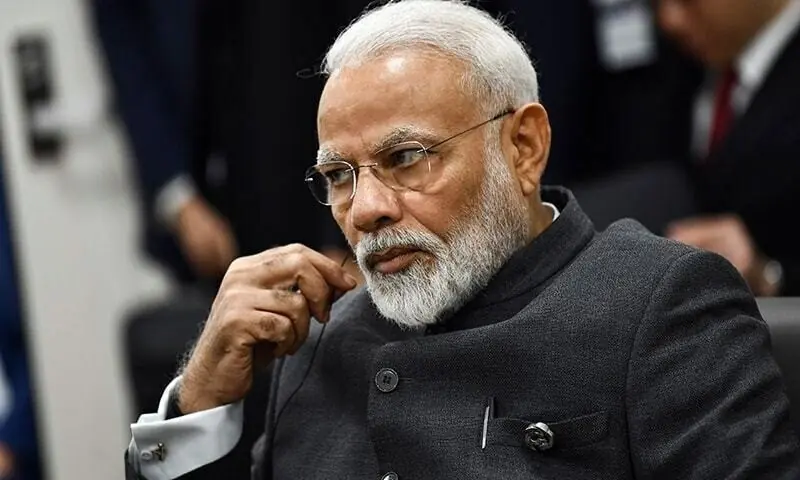
NEW DELHI: The Indian government’s approach towards oil imports and its relations with the United States and Iran came under sharp criticism in the Lok Sabha on Thursday, as opposition leader Rahul Gandhi accused Prime Minister Narendra Modi of capitulating to US and Israeli interests.
During a parliamentary discussion focused on the ongoing shortages and rising prices of liquefied petroleum gas (LPG) cylinders, Gandhi raised concerns about India’s energy policy and the country’s response to disruptions in oil flow through the Strait of Hormuz. He noted that India has been negotiating with Tehran to allow oil shipments to continue, even as it faces pressure over Iran’s actions in the Gulf and the targeting of US assets in the region.
Gandhi specifically highlighted what he described as the “arrogance” of the United States in granting “permission” to India to resume purchases of Russian oil. He questioned why India required such approval, suggesting that the government’s actions have undermined the country’s sovereignty in energy matters.
The session became heated when Gandhi referred to Minister for Petroleum and Natural Gas Hardeep Singh Puri’s alleged links with the late American financier and convicted sex offender Jeffrey Epstein. Gandhi’s remarks led to an uproar in the Lok Sabha, and his speech was cut short as a result.
According to reports, the Congress party has continued to challenge the Modi government over its perceived silence on these issues, expressing concern over the impact of foreign influence on India’s energy decisions and the broader implications for the country’s foreign policy.
The debate reflects growing tensions within Indian politics regarding the nation’s stance on international oil trade, its relationships with major global powers, and the transparency of its leadership.
Comments
No comments yet. Be the first to join the discussion!


