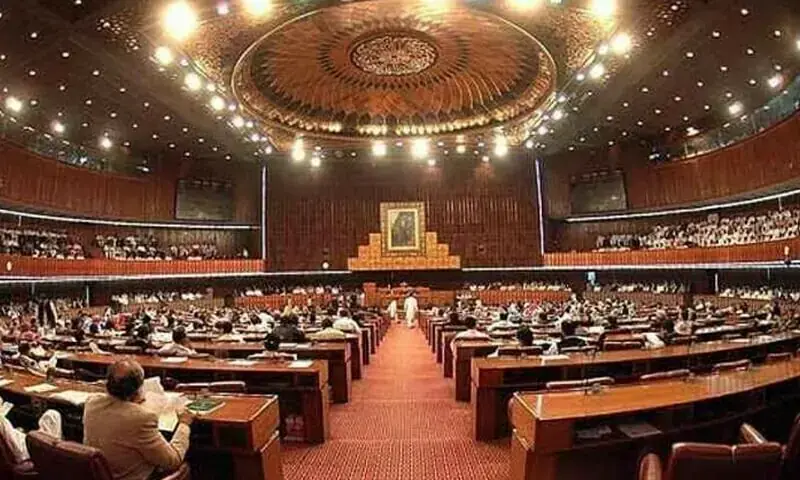
Women MNAs drive nearly half of National Assembly’s agenda despite limited representation
A Fafen report finds women MNAs contributed 48% of the National Assembly's agenda in 2025–2026, despite holding less than 22% of seats. On average, each woman lawmaker submitted three times more items than male colleagues.

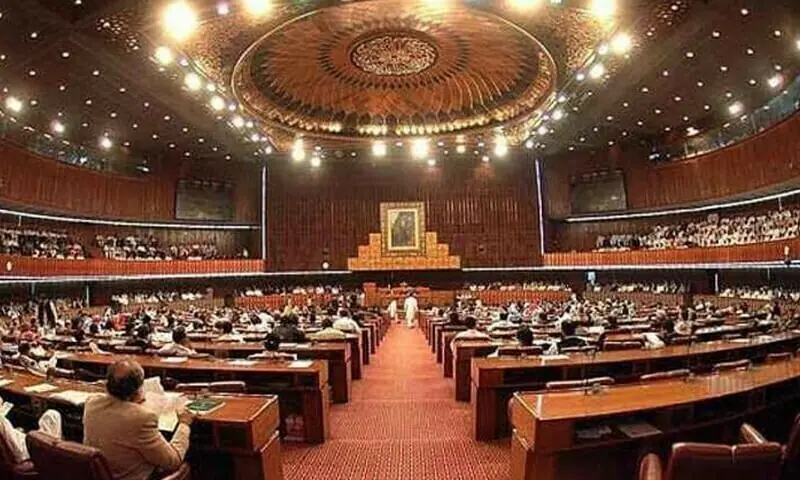
ISLAMABAD: Female members of Pakistan’s National Assembly have played a significant role in shaping the legislative agenda, contributing approximately 48 percent of the regular plenary agenda during the second parliamentary year (2025–2026) of the 16th National Assembly, according to a new report by the Free and Fair Election Network (Fafen).
The latest Women Parliamentarians Performance Report, titled ‘Women Did It Again!’, highlights that this contribution is notably higher than women’s share of the assembly’s membership, which remains below 22 percent. The report underscores that most women lawmakers currently enter the House through reserved seats rather than by direct election.
Fafen’s analysis evaluates the parliamentary performance of female MNAs across five dimensions, with a particular focus on their legislative activity. The findings reveal that, on average, each woman lawmaker submits three times more agenda items than her male counterparts. This active participation extends beyond gender-specific matters, with women parliamentarians raising a wide range of policy issues.
The report emphasizes the breadth of topics addressed by women MNAs, demonstrating their engagement with diverse legislative and policy concerns. Their involvement is seen as a significant factor in the overall productivity of the National Assembly during the reviewed period.
Fafen’s report sheds light on the ongoing importance of reserved seats in ensuring women’s representation in the National Assembly, while also noting the proactive approach taken by female legislators in contributing to parliamentary business.
Comments
No comments yet. Be the first to join the discussion!