

Digital platforms struggle to disrupt traditional fruit and vegetable markets
Digital platforms handle just 2-3% of Pakistan's fruit and vegetable trade, as traditional middlemen continue to dominate the supply chain, limiting the impact of technology in the sector.

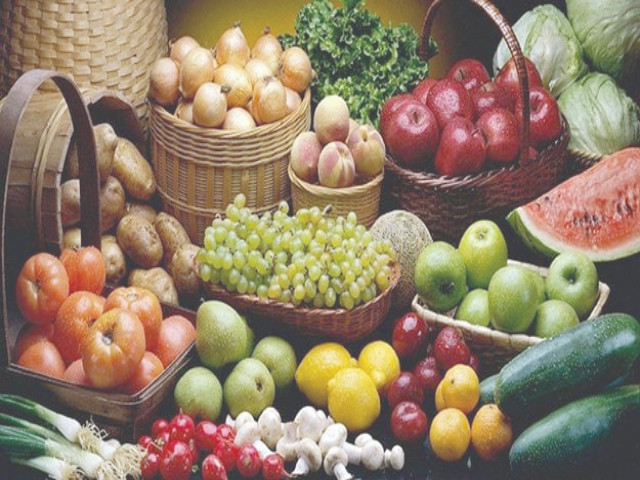
ISLAMABAD: Despite the rise of digital platforms in Pakistan's agricultural sector, traditional middlemen continue to dominate the country's fruit and vegetable trade, according to recent findings. Digital initiatives currently account for only 2-3% of the total trade volume in these commodities, highlighting the limited impact of technology in breaking the longstanding monopoly of conventional market players.
As per the information, middlemen, commonly known as 'arhtis', remain the primary channel for the supply of fruits and vegetables from farms to markets. These intermediaries have established deep-rooted networks within the mandi (wholesale market) system, making it challenging for digital platforms to gain significant market share.
Efforts to modernize the supply chain and increase efficiency through digital solutions have so far yielded modest results. The majority of farmers and traders continue to rely on traditional mandi operations, where middlemen play a central role in price setting and distribution. This has limited the reach and effectiveness of online platforms aiming to connect producers directly with buyers.
Industry observers note that while digital platforms offer potential benefits such as transparency, better price discovery, and reduced transaction costs, their adoption has been slow. The entrenched position of middlemen, coupled with resistance to change and lack of digital literacy among many stakeholders, are cited as key barriers to wider acceptance of technology-driven models in the sector.
According to the available data, only a small fraction of the fruit and vegetable trade has shifted to digital channels, with the overwhelming majority still passing through traditional mandi systems. This situation underscores the challenges faced by technology providers in transforming Pakistan's agricultural markets and reducing the influence of intermediaries.
Stakeholders suggest that for digital platforms to make a more substantial impact, there is a need for greater awareness, capacity building, and supportive policies that encourage direct linkages between farmers and buyers. Until then, the dominance of middlemen in the fruit and vegetable trade is expected to persist.
Comments
No comments yet. Be the first to join the discussion!


