

June 9, 2026
Conservation work sheds light on underground chambers beneath Lahore Fort
Restoration at Lahore Fort has uncovered an extensive network of underground chambers and corridors long buried beneath soil and moisture. Conservation experts say the original purpose of the spaces remains uncertain.

June 9, 2026
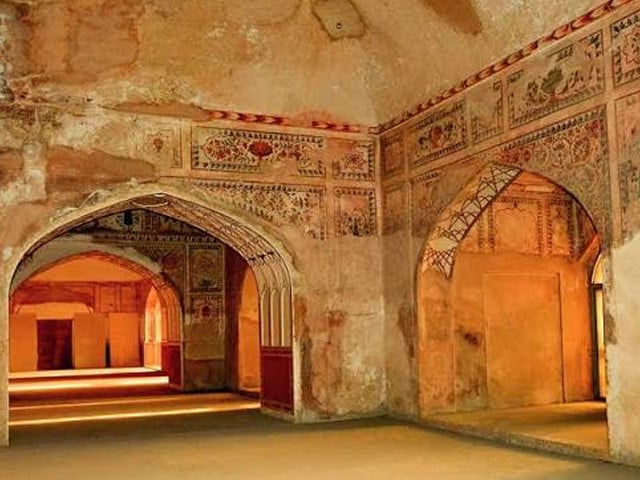
LAHORE: Restoration work at Lahore Fort has brought renewed attention to an extensive network of underground chambers and passageways lying beneath the historic site, revealing spaces that had remained hidden under soil, dust and moisture for centuries.
The subterranean section includes dozens of linked rooms and corridors uncovered during conservation efforts. While the fort’s upper structures such as Sheesh Mahal and Alamgiri Gate are widely known to visitors, the underground area presents a markedly different setting, with narrow stairways opening into vaulted passages and maze-like routes.
Aga Khan Cultural Services Pakistan Conservation Manager Naheed Iftikhar said the historical purpose of these spaces remains uncertain. She said some people believe the chambers may have been used as shelter for members of the Mughal royal family in times of danger, while others suggest they could have served as prison cells or punishment rooms. Many historians, however, consider them part of the fort’s broader architectural and defensive design.
"This is one of those rare chapters of history where many pages are missing," Naheed said speaking about the lack of definitive evidence. She added that written records do not clearly explain how the underground spaces were used.
Naheed also said that when restoration began, the chambers were buried under accumulated soil, dust and dampness. Several roofs had weakened, while many walls showed deep cracks. "We knew there was something unusual here. But as debris was removed, new stories seemed to emerge with every layer," she said recalling the early stages of the work.
Layout and architectural features
The network links about 35 chambers, creating the impression of a second fort beneath the main complex. Some of the rooms have no visible source of daylight or ventilation. Recesses built into the walls indicate that oil lamps may once have been used to light the area.
Experts believe the underground complex was not built in a single phase. Some sections appear to date to the reign of Emperor Jahangir, while others carry architectural features associated with the period of Shah Jahan.
The findings have added to interest in Lahore Fort’s layered history, with the underground chambers offering another glimpse into the complexity of the Mughal-era structure even as questions remain over their original function.
0 Comments
No comments yet. Be the first to join the discussion!


